

Our Founder & CEO, Ali Safavi, was invited to speak at ITC Agents, InsureTech Connect, one of the largest insurance conferences in the country on the future of agencies in the age of AI. This blog shares his reflections on how AI is reshaping insurance from automation to real transformation. Access the full ITC keynote document at the end of the blog.
Insurtech Connect this year felt different. The energy was back. After a few years of uncertainty, the industry seemed alive again. Every conversation with investors, agencies, or carriers seemed to orbit around artificial intelligence and what it means for the future of insurance.
AI has become the central theme. From policy submissions and document reading to underwriting and servicing, everyone is working on some version of intelligent automation. The excitement was similar to the early internet days, but this time the pace of change feels faster than the industry’s ability to adapt.
Yet underneath the buzz, there was something deeper happening. A sense that we are finally at the beginning of a structural transformation that will take years to unfold. And while everyone is talking about AI, very few are truly ready for what it means to become AI-native.
Here are some of the trends that I observed:
1. Agentic AI and the Orchestration Era
Seven years ago, the excitement was around robotic process automation. Today, those same ideas have evolved into what many are calling agentic AI. These systems no longer just automate tasks, they orchestrate them. They can read submissions, summarize policies, route work intelligently, and even collaborate with humans in real time.
Every part of the insurance workflow is being reimagined. Startups are targeting specific use cases, incumbents are embedding AI copilots, and large tech players are moving in with infrastructure-level offerings. Yet, despite all this progress, the biggest barrier is still the same: fragmented data, legacy systems, and the human processes required to adopt new tools.
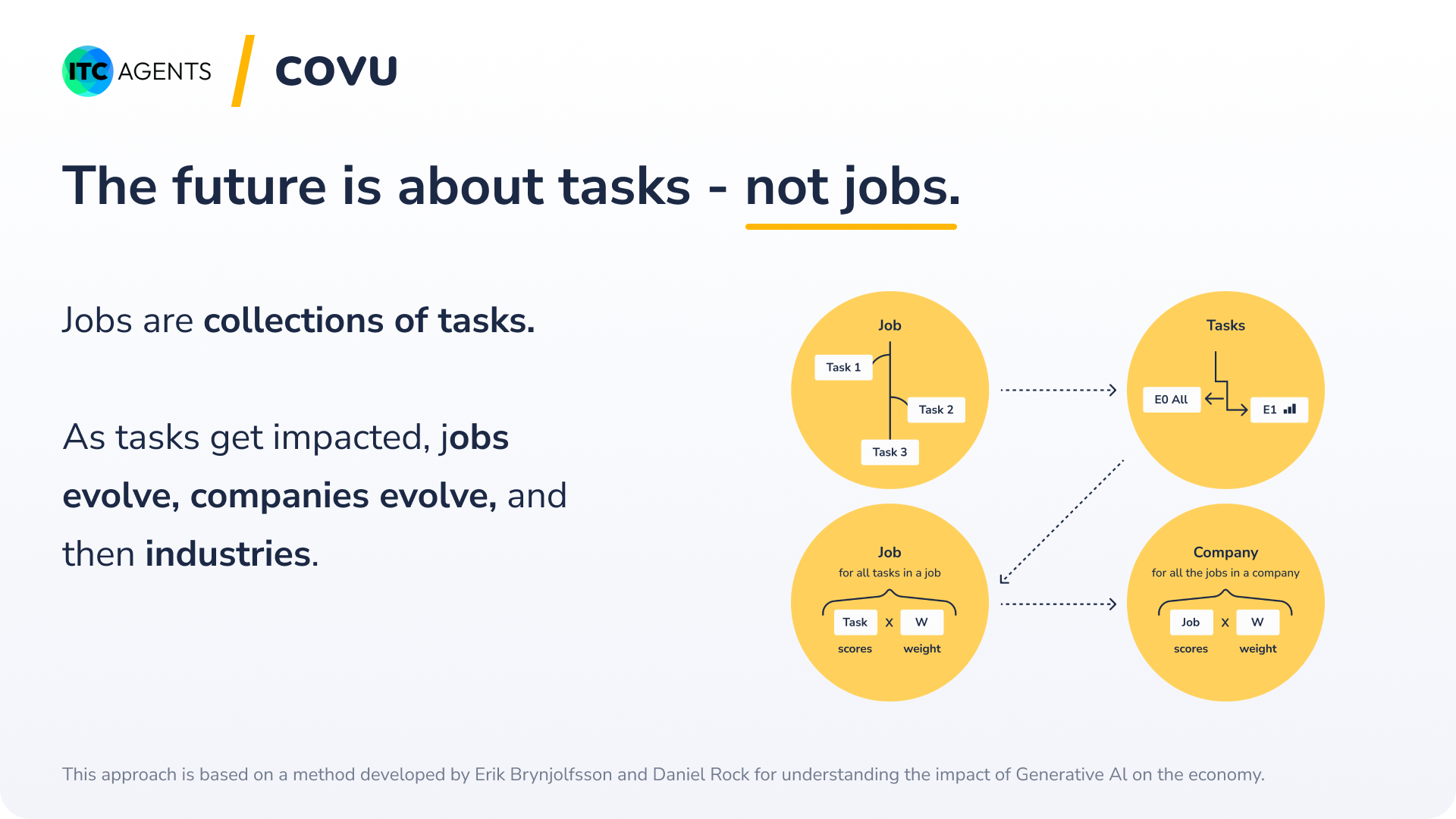
The solutions need to move from single tasks to interconnected systems. A single insurance transaction can contain dozens of small processes. In one line of business alone, there are more than two hundred distinct tasks that can now be reimagined by AI.
This shift is forcing a redefinition of work itself. Each job is a collection of tasks. As those tasks evolve, companies evolve, and eventually entire industries evolve. That is the cycle we are in now.
However, progress will depend on more than just technology. Agentic AI will not reach its full potential until it is supported by strong data infrastructure, modern connectivity, and human workflows that are designed.
2. AI Transformation is Harder Than it Looks
A common misconception is that AI transformation means plugging an API into an existing system. The reality is far more complex. Just plugging in OpenAI is hitting a wall for many enterprises.
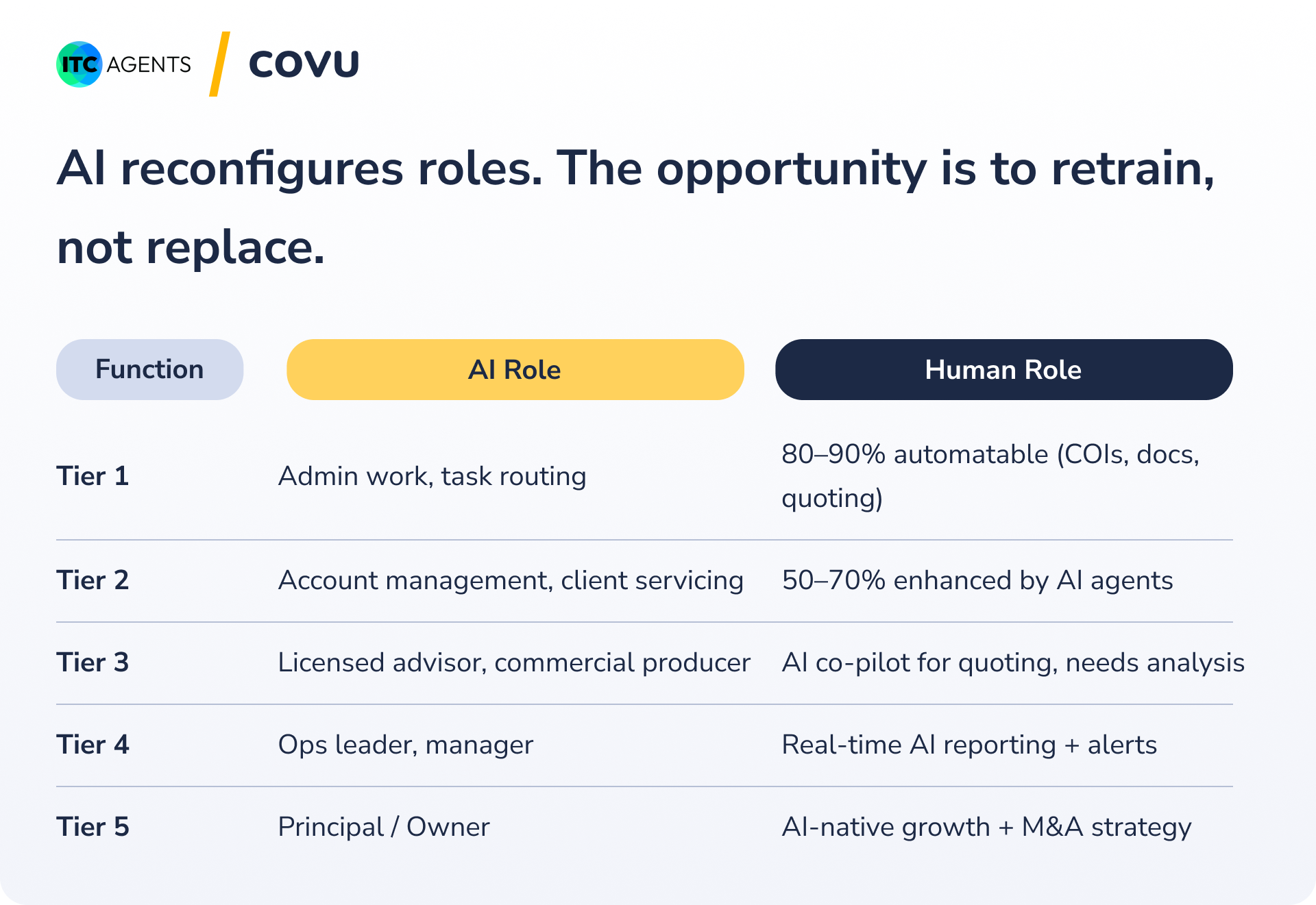
True AI-native transformation requires four pillars. First, a secure and connected data infrastructure. Second, proprietary models trained on domain-specific knowledge. Third, a workforce that is prepared to work alongside intelligent systems. And finally, leadership that is willing to take risks and drive the transformation themselves.
These are not small changes. They demand new organizational structures, new decision-making processes, and a willingness to rethink how value is created.
Insurance, ironically, was built around data, yet it suffers from one of the worst data fragmentation problems of any industry. Legacy carrier systems, regulatory complexity, disconnected management systems, and a shortage of professionals who understand both AI and insurance all contribute to the challenge.
This is why transformation is taking longer than many expected. It is not a technical problem; it is a structural and cultural one.
3. Roll-Ups and the Value Creation Paradox
Another clear trend at ITC was agency consolidation. Roll-ups are happening everywhere. The math looks simple: buy agencies at three times revenue, combine them, and trade at five. On paper, it makes sense. In practice, many of these roll-ups are destroying value rather than creating it.
But many of these roll-ups are not creating real value. Instead of synergy, they remove the entrepreneurial drive that made those agencies successful. In many cases, operations remain fragmented, technology adoption stalls, and efficiency gains never materialize.
At the same time, many of the private large roll-up brokerages are heavily leveraged, trying to modernize while carrying complex legacy systems and cultures. The result is a system stretched thin, looking for efficiency and leverage.
What’s emerging in response is a new breed of AI-enabled consolidators, combining private equity discipline with product and infrastructure thinking. These groups are not just rolling up agencies; they are redesigning how insurance operations and risk management scale. It is a shift
from financial engineering to operational intelligence. The leverage on AI + tech is highest that it has ever been for those who know how to capture the value.
4. The Rise of AI-Native Service Models
Perhaps the most important transformation is not happening in software, but in services. For decades, the industry has been built on software as a service. That model is fading.
Now we have the rise of AI-native BPOs and service models. These are not traditional outsourcing firms but hybrid operations built on AI-first principles, blending human oversight with intelligent systems.
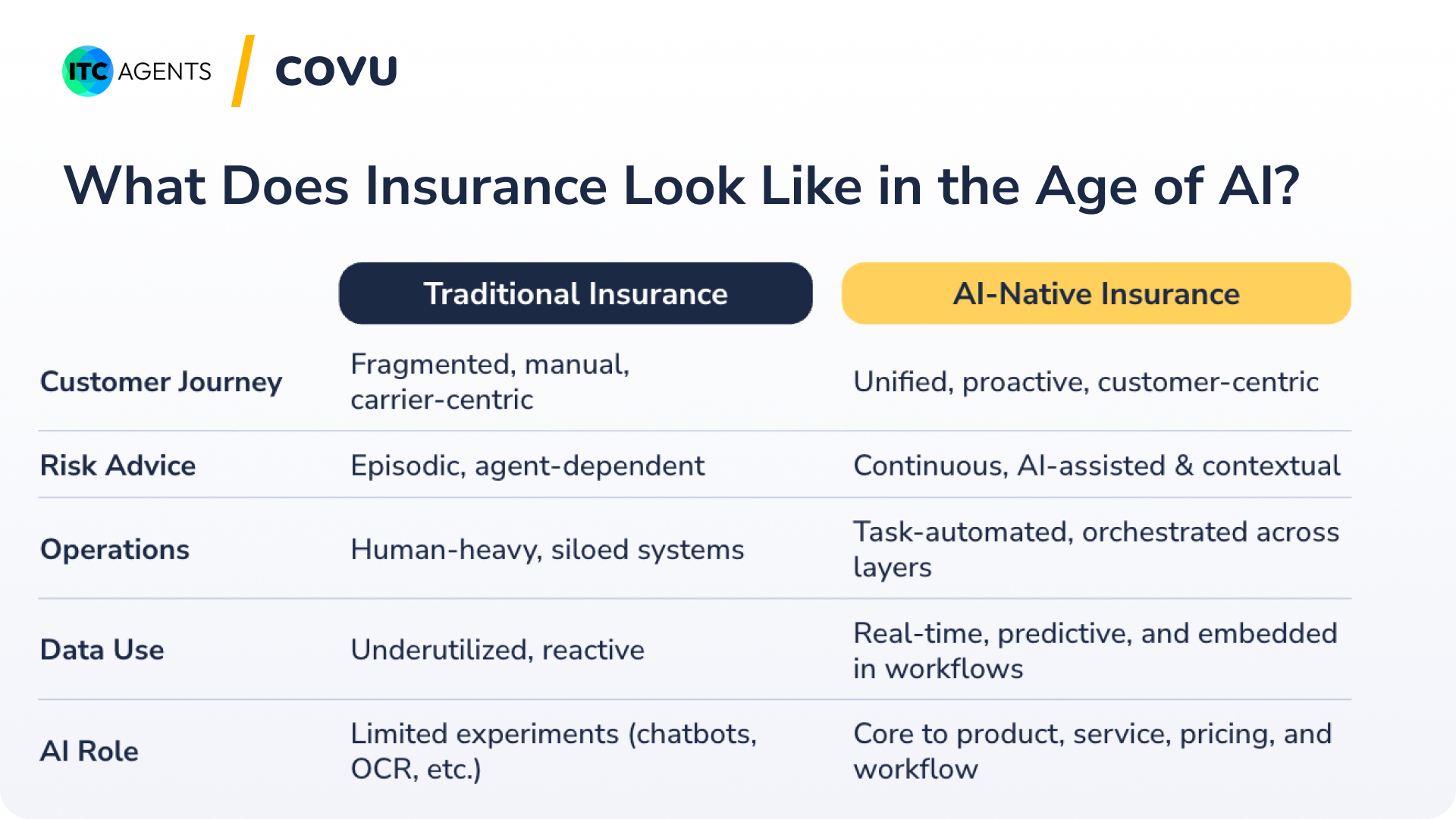
Low-level administrative work can be fully automated. Mid-level processes can be co-managed by AI assistants and licensed staff. High-level advisory roles will remain deeply human, supported by intelligent systems that enhance rather than replace judgment.
Large consulting and outsourcing firms are moving quickly, embedding AI in their service delivery, while newer players are emerging with specialized platforms and vertical focus. It is a race between scale and speed. And as adoption accelerates, it will redefine how work itself gets done in the insurance value chain.
This blended model is already starting to take shape. It will redefine how risk management, claims, and customer service are delivered. When we spoke about building AI-native operations years ago, most investors were interested only in SaaS. That has completely changed now.
Where the Industry Stands Now
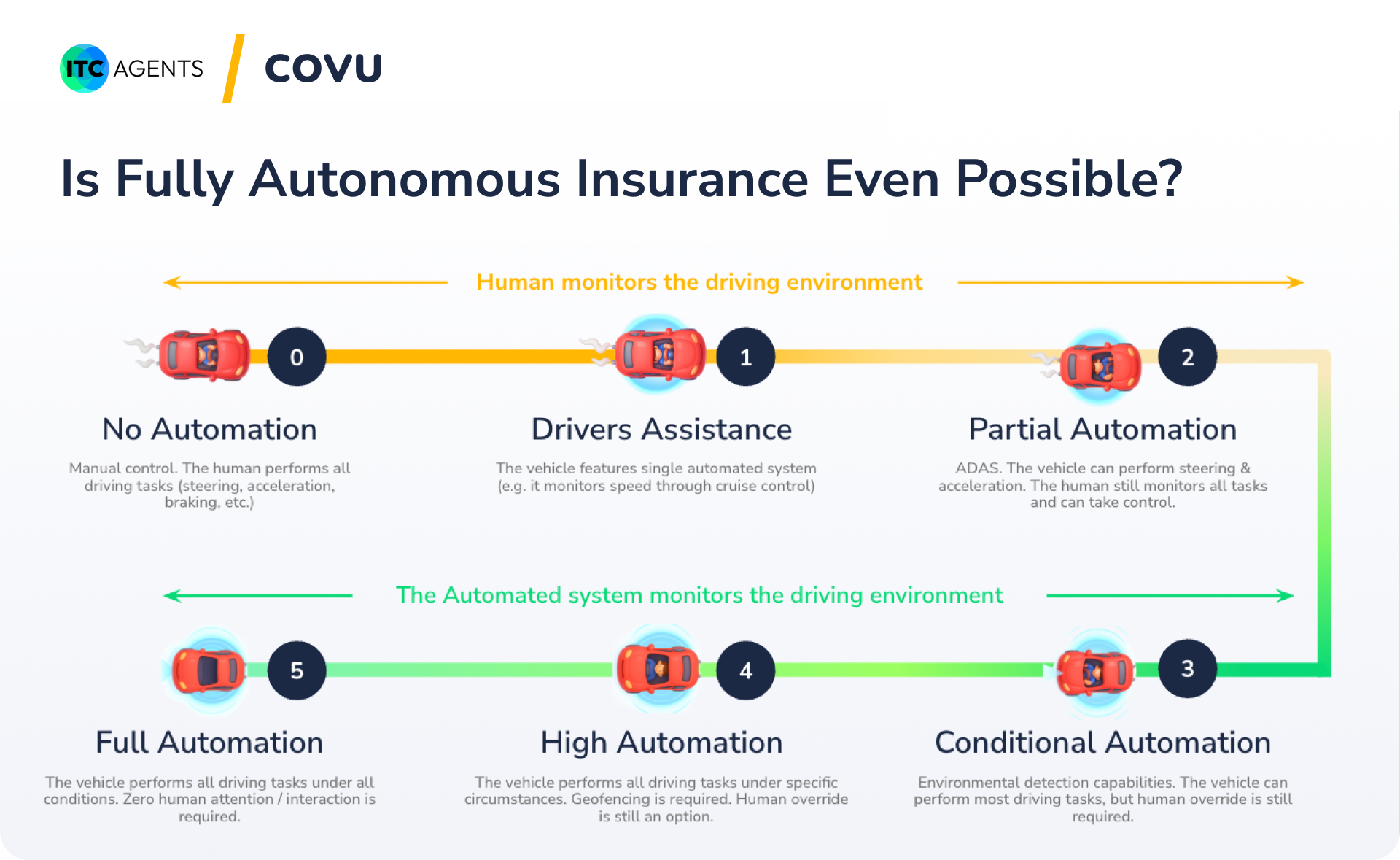
Insurance remains one of the most human industries on earth. Trust, empathy, and context still matter. But the way those human strengths are amplified is changing.
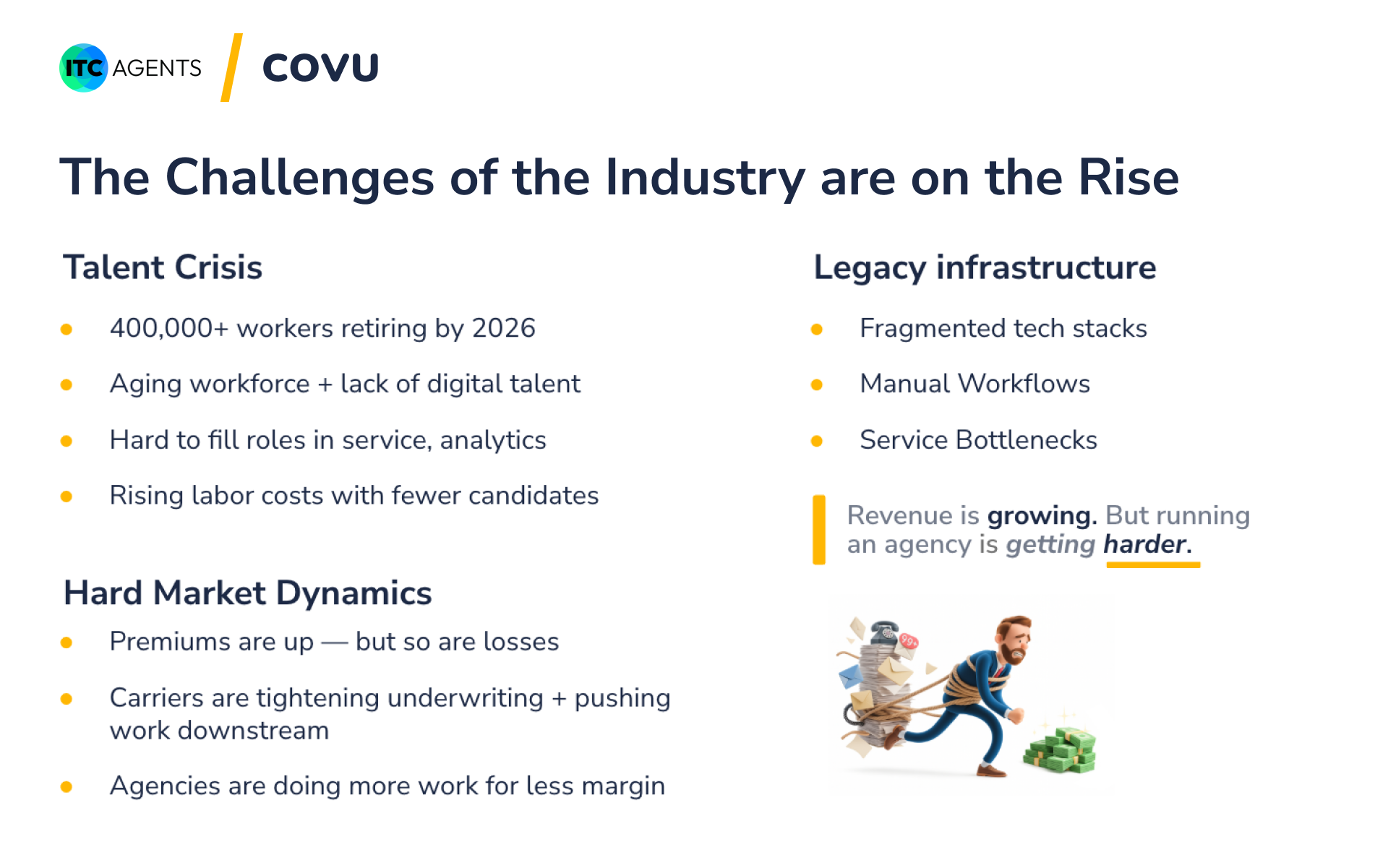
The sector is facing a generational shift. More than 400,000 insurance professionals are set to retire by 2026, while customer expectations are rising and profitability pressures continue to grow. AI is arriving at exactly the moment the industry needs it most.
This is the moment when AI can make a real impact. With the right infrastructure and design, carriers, agencies, and service providers can operate at a fraction of their historical cost while delivering faster and more personalized service. What’s unfolding now is not about replacing people but reconfiguring the entire system around intelligence, leverage, and data.
The potential is enormous, but it will require courage to rebuild from the inside out rather than layering technology on top of broken systems.
Looking Ahead
For those who have been building toward this moment for years, it feels less like a surprise and more like the natural evolution of what we have always believed: that the future of insurance is human intelligence amplified by artificial intelligence. It’s encouraging to see the industry finally catching up. The conversations that felt niche a few years ago are now mainstream.
Every few generations, technology creates a step change in productivity. The steam engine did it for industry. The internet did it for communication. AI is doing it now for intelligence itself.
In two years, we have seen more progress than in the previous ten. The next two will likely be even more transformative.
This is the beginning of a new chapter. One where the future of insurance will not be written by software alone, but by those who understand how to weave intelligence, infrastructure, and humanity together.